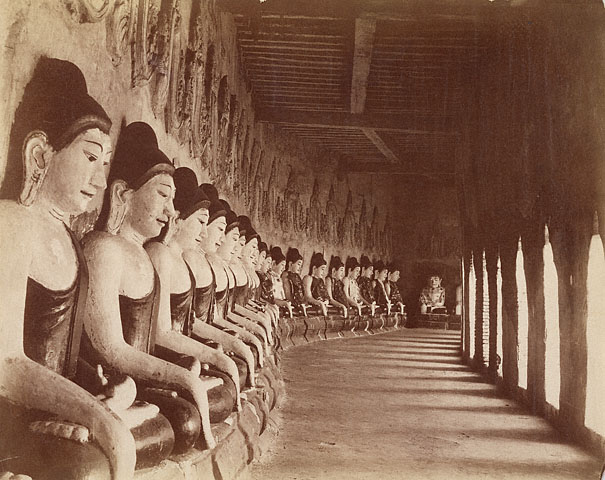
British, Burma, 1887 – 1895
Albumen silver print
Getty Museum
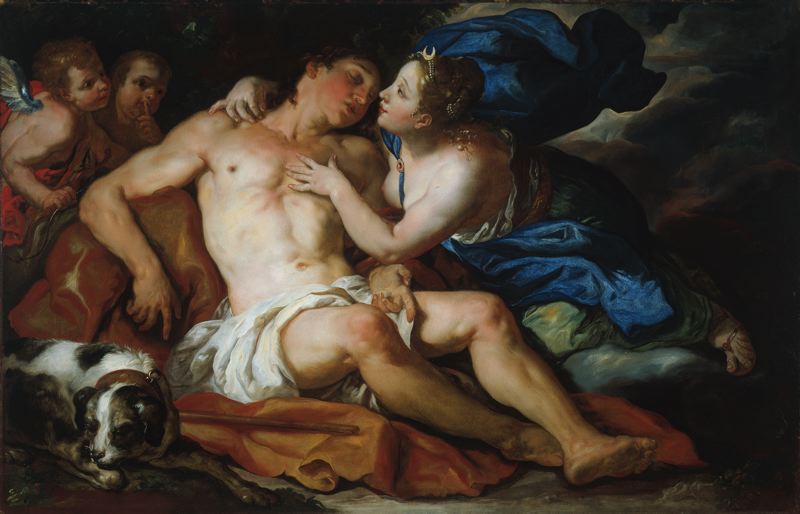 Johann Michael Rottmayr
Austrian, 1654-1730
1690/95
Art Institute of Chicago
As brown dusk blackens into night
And Somnus slowly lulls the Earth,
Buried in the shadow of my Curtains,
A dream comes to set my spirit free
To be admitted into the intimacy
Of its revered, & majestic queen.
But her manner is so easy, so dear,
So inviting, it seems to me I might soon
Be allowed to hold her without fear,
If only as Endymion the Moon.
— Maurice Sceve/translated by Richard Sieburth
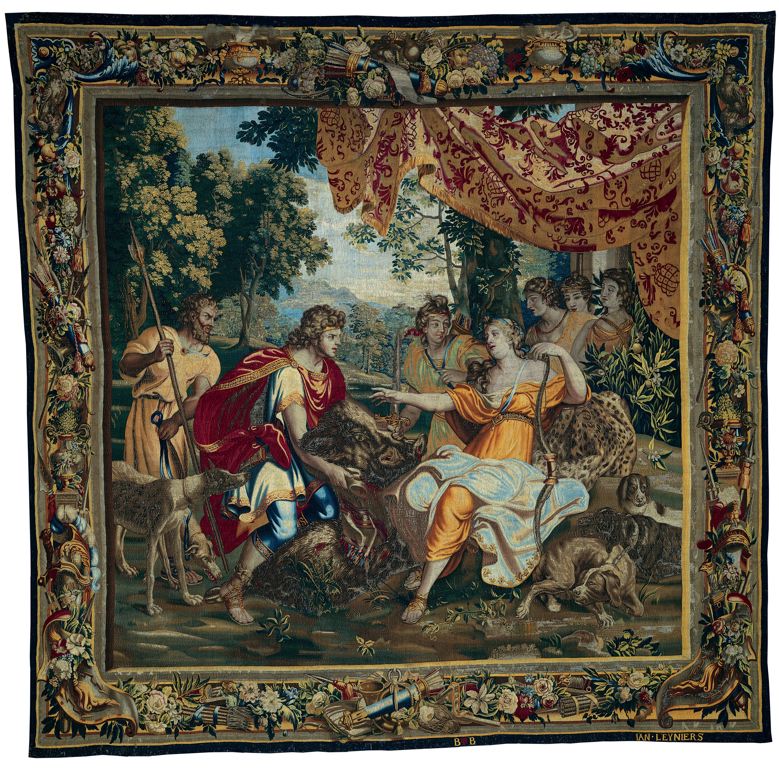
1673/86
Wool and silk, slit, dovetailed and double interlocking tapestry weave
Art Institute of Chicago
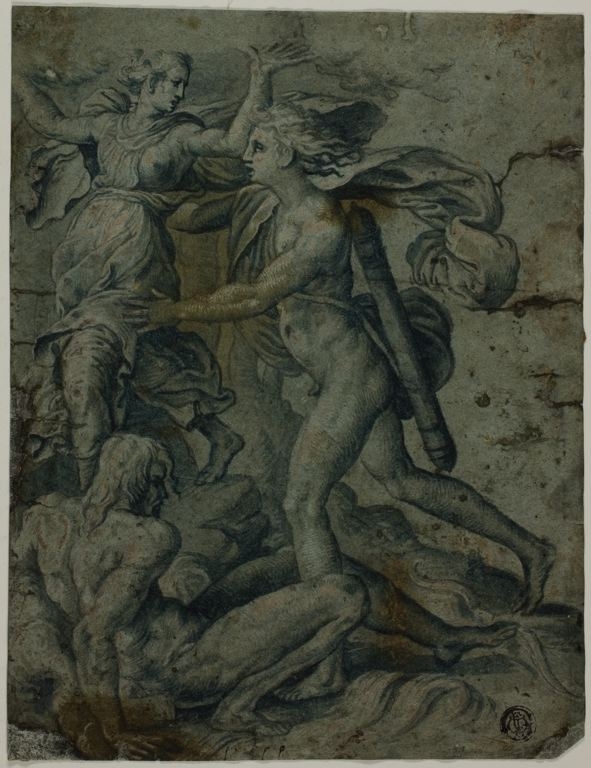 after Pietro Buonaccorsi, called Perino del Vaga
Italian, 1501-1547
late 16th century
Art Institute of Chicago
Though seen to be carefree beyond measure,
I am as wretched as I’ve been in years,
Your gentle words, yes, still give me pleasure
When they fall so cruelly upon my ears:
And I take great pains that a sense adhere
To our long conversings over time.
But when I race to the goal of my desire,
Your wishes, now elsewhere inclined,
Explain why, in my tormented course,
Daphne, you flee me, Apollo on fire.
— Maurice Sceve/Translated by Richard Sieburth
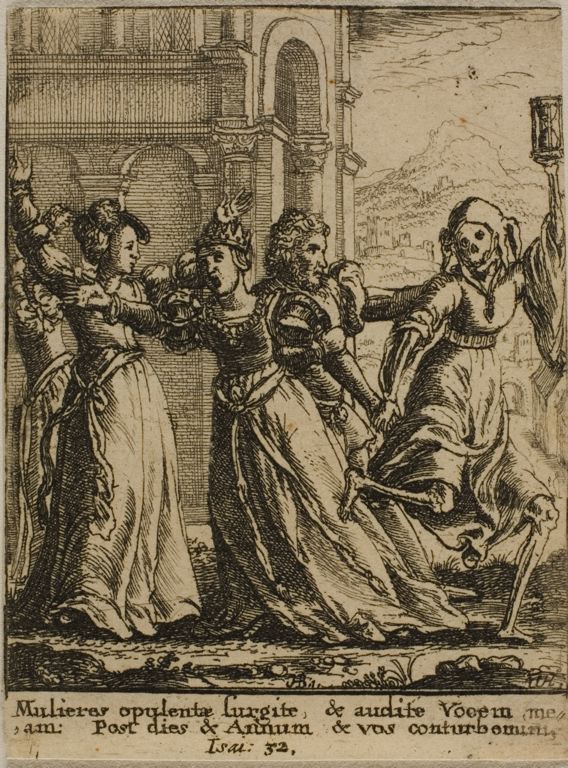 Wenceslaus Hollar (Czech, 1607-1677)
after Hans Holbein the younger (German, c.1497-1543)
1651
Art Institute of Chicago
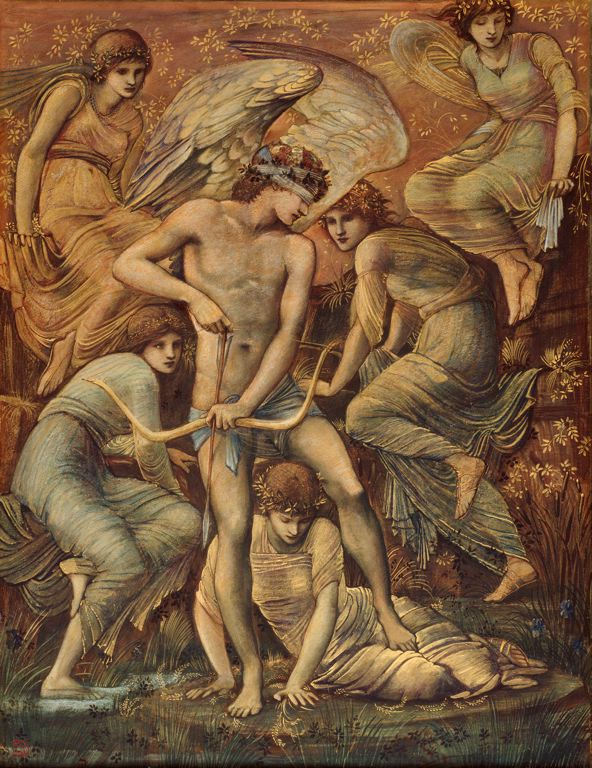 Edward Burne-Jones
English, 1833-1898
1885
Art Institute of Chicago
If it be Cupid, why does he murder me,
Whose love was great, & never knew to hate?
This never ceases to astonish me,
Who never gave him cause to be irate:
Yet I allow him, without a complaint,
To consume me, just like Wax by fire.
And killing me, he desires that I live,
And loving others, cease to love myself.
What need is there to go on slaying me?
Who loves in vain has far enough of death.
— Maurice Sceve/Translated by Richard Sieburth