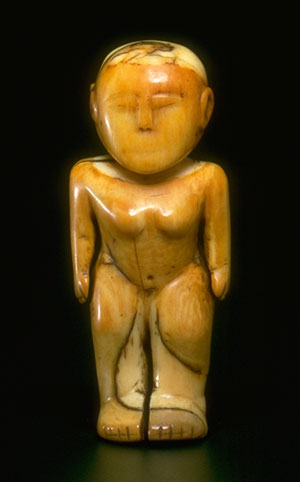
Altdorfer, AlbrechtGermany 1513 Woodcut Frame: 14 1/2 in x 11 3/4 in; sheet: 3 1/8 in x 2.125 cm Collection of DePaul University |
Unknown
Vili; Republic of Congo, Africa
Untitled
No date
Vegetable fiber, monkey skull, clay
Whole: 6 3/4 x 8 7/8 x 12 1/2 in.; 17.145 x 22.5425 x 31.75 cm
Collection of DePaul University
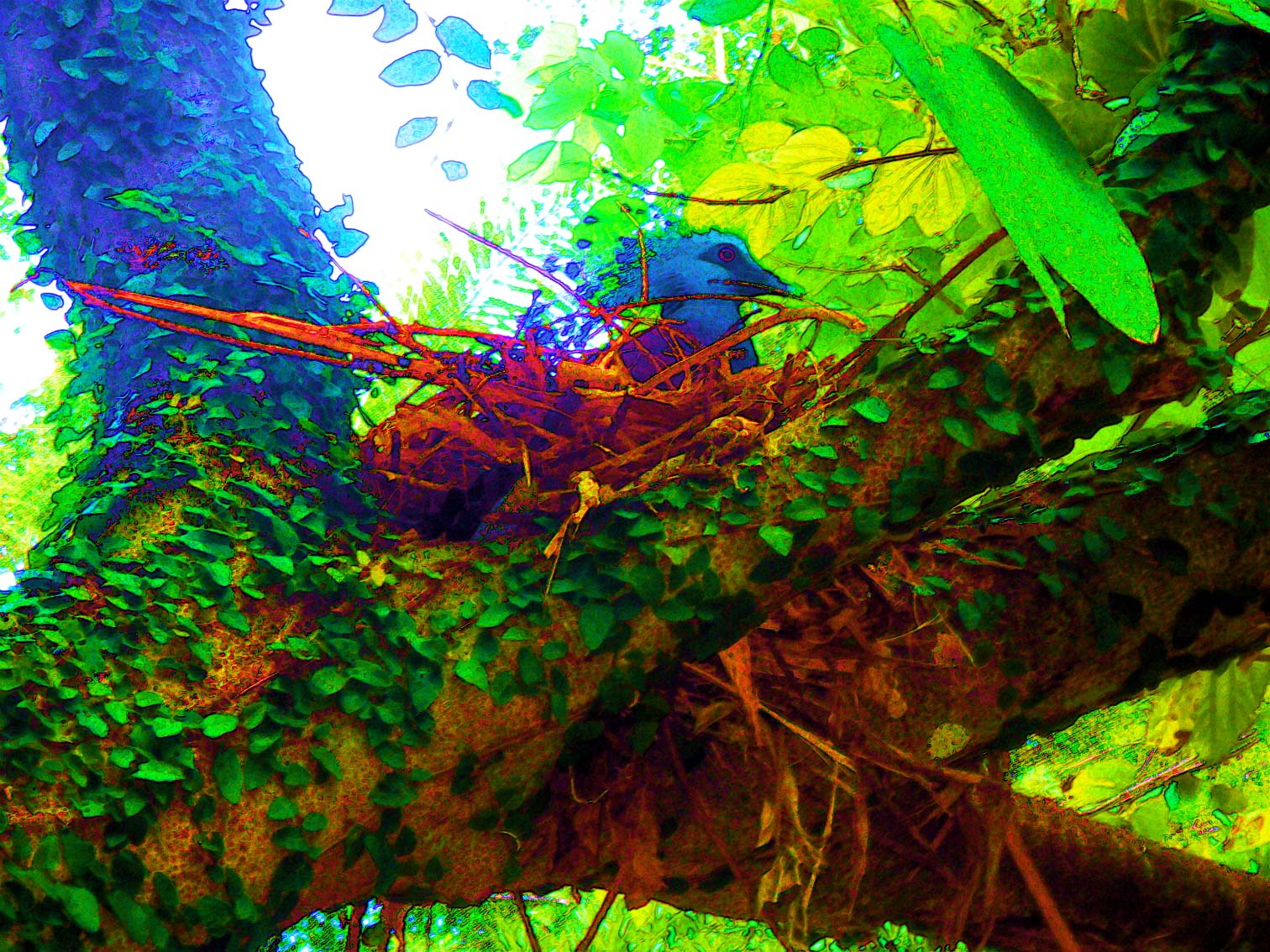
No this isn’t me. But I AM taking the brood to Walt Disney World for some heavy duty vacateing. Try to live for a while without any more UBUcasts, or better yet tune in on TUMBLR where I’ve queued up a bunch of whatever..
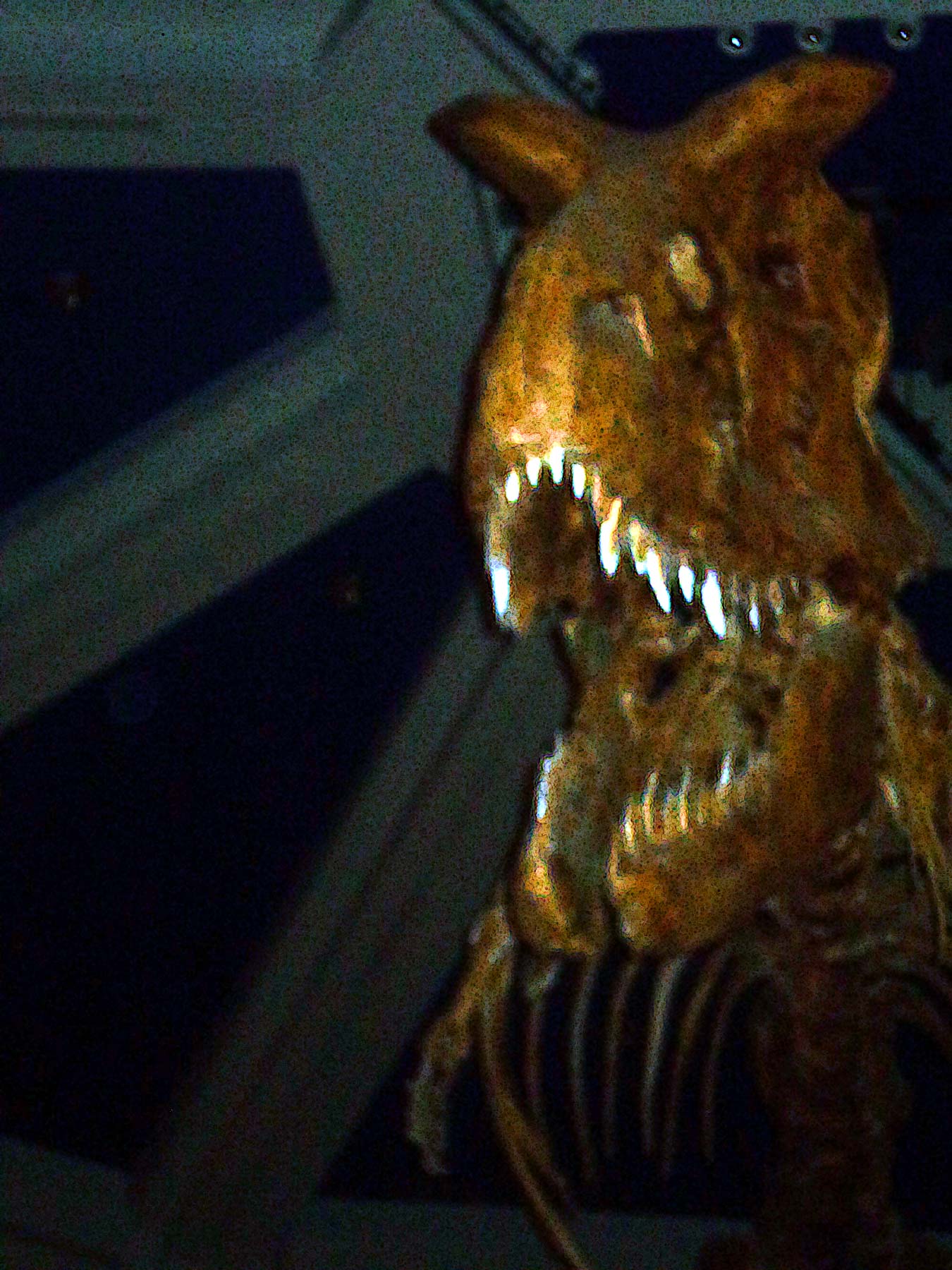
The Carnegie Museum of Natural History, Pittsburgh, Pa.
Photo by V.Abromitis
This diorama used to really freak me out when I was a kid.
In Shinto there is no absolute deity that is the creator and ruler of all. The creative function of the world is realized through the harmonious cooperation of the Kami in the performance of their respective missions.
Among the objects or phenomena designated from ancient times as Kami are the qualities of growth, fertility, and production; natural phenomena, such as wind and thunder; natural objects, such as the sun, mountains, rivers, trees and rocks; some animals; and ancestral spirits.
Instead of developing theoretical explanations of the invisible world, shrines were established as sacred places to which the Kami could be invited and where man could experience their presence.
Shrine worship is closely associated with a keen sense of the beautiful — a mystic sense of nature which plays an important part in leading the mind of man from the mundane to the higher and deeper world of the divine and in transforming his life into an experience of living with the Kami. No amount of artificial beauty is an adequate substitute for the beauty of nature.
The natural beauty imparts to the worshiper a religious impetus to move from the mundane to the higher and deeper divine world, which can transform his life into one of close fellowship with the Kami.
The world of the Kami does not transcend that of man, and man does not need to seek to enter a divine, transcendental world to attain salvation. Humanity seeks salvation by bringing the sacred into the human world, into the daily life of the home, the marketplace. and the cooperation of the people. We experience the Kami in this world and salvation is attained in the harmonious development of the world.
— Sokyo Ono